Kanner's Autism: Donald T
Key Takeaways
- Sometimes known as classic autism, 'Kanner's autism' has been used to distinguish profound autism from milder forms of autism.
- Many parents whose children cannot talk, who display challenging behaviours, cannot believe that there are any similarities between their children and autistic adults who are able to live independently and even earn a living. But people forget that two of the eleven children that Kanner described in his 1943 paper entitled 'Autistic Disturbances of Affective Contact' ultimately obtained gainful employment (as reported in a follow-up paper published in 1971 and entitled 'Follow-Up Study of Eleven Autistic Children Originally Reported in 1943). This suggests that at least some autistic adults may have a lot to offer regarding the understanding of the more severe forms of autism.
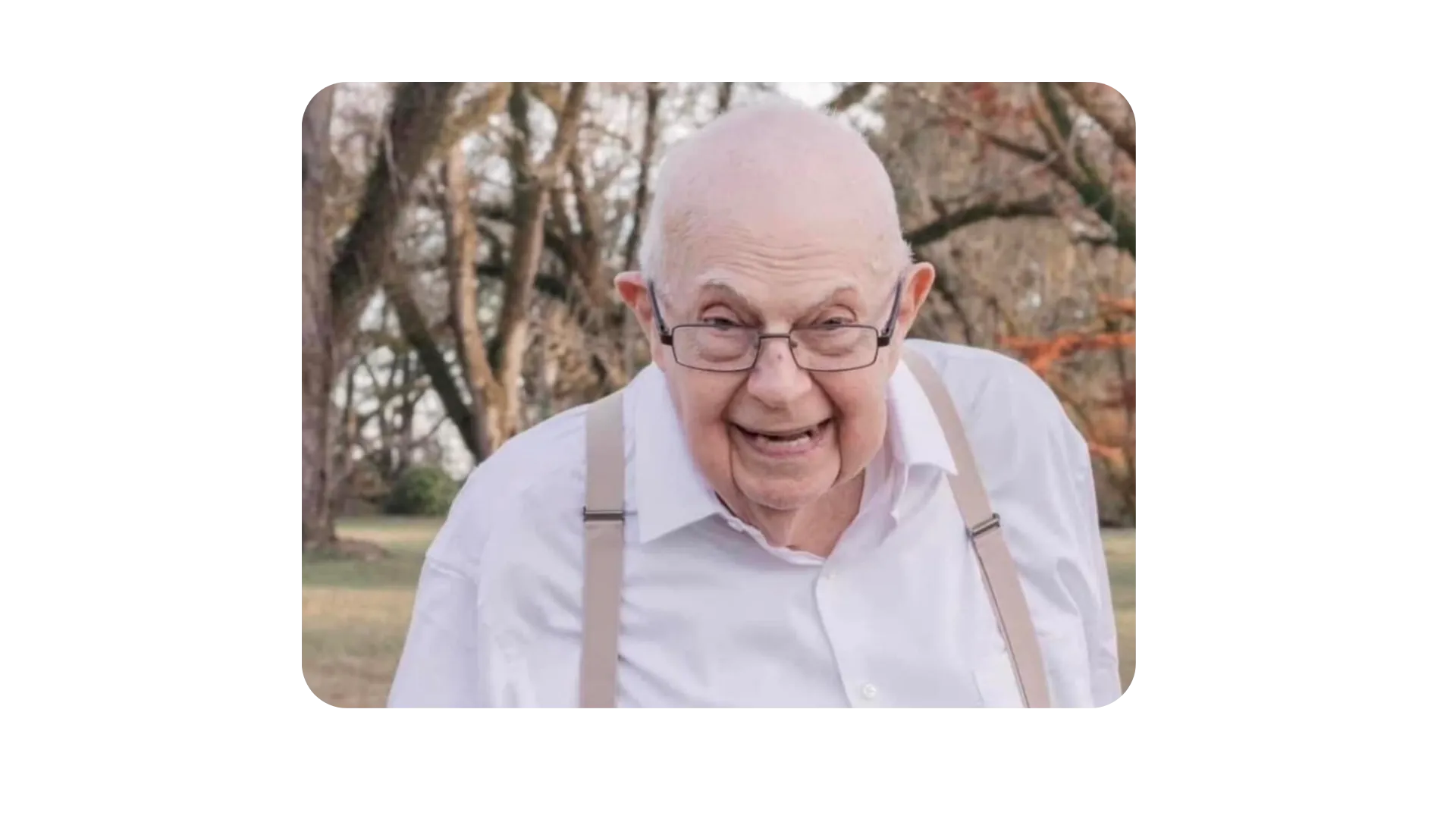
- Donald Triplett is the first case study in Kanner's paper. He enjoyed his independence and lived a full and happy life, earning a living, partaking in hobbies, traveling all over the world, and being a valued member of his community. The story of Donald's early years does not make it obvious that he would grow up to do any of these things. He seemed in a world of his own and struggled with communication. Indeed, any attempt to interact with Donald was seen as an unwelcome intrusion.
- Donald's autism seems to consist of
- Perceptual Memory for Sound: At two-and-a-half, at Christmas time, he sang back carols he had heard his mother sing only once, while performing with perfect pitch.
- Perceptual Memory for Vision: Donald demonstrated a very good visual memory from a very early age, when he learned to recognise and name US presidents and family members from pictures.
- Gestalt Language: Donald gradually picked up language via meaningful (to him) words, phrases, and sequences, rather than how children normally learn language. Donald gradually built up a 'language bank', which enabled him to learn language.
- A fascination with numbers: Online articles mention Donald giving everyone a number. This could suggest synesthesia relating to numbers.
- Very strong sequential memory: Donald remembered the films he had watched and recalled them in the order he watched them.
- Autism profiles like this one can give us a cognitive understanding of someone's autism, helping us support them better and understanding WHY the person behaves the way they do. This allows us to put in place appropriate strategies to help them develop as much as possible.
The term ‘Kanner’s autism’, which is sometimes known as ‘classic autism’, has been used to distinguish profound autism from other, apparently, milder forms of autism. Parents whose children cannot talk, who display challenging behaviours, cannot see any similarities between their children and autistic adults who are able to live independently and even earn a living.
But people seem to forget that two of the eleven children that psychiatrist and physician Leo Kanner described in his 1943 paper entitled ‘Autistic Disturbances of Affective Contact’ ultimately obtained gainful employment (as reported in a follow-up paper published in 1971 and entitled ‘Follow-Up Study of Eleven Autistic Children Originally Reported in 1943’.) The question that nobody appears to have an answer to is this one: ‘How can you tell which children have the potential to make huge gains to the point of obtaining employment and which will need full time care throughout their lives’. Is it even possible to determine this?’
In this article, we consider Donald Triplett who is the first case study that Kanner describes in his 1943 paper (referenced by Kanner as Donald T). Donald attended (mainstream) school and college, became a bank teller, owned his own car, had hobbies, took part in various clubs and served on their committees. Later, he is described as having traveled all over the world. After his parents died, he continued to live in their house (which he inherited) until he died at the ripe old age of 89. He enjoyed his independence and was a valued member of his community.
The portrayal of Donald’s early years does not make it obvious that he would grow up to do any of the above. At the age of five, when he was first seen and observed by Leo Kanner, Donald did not initiate contact with people and, in fact, seemed to ignore them. He did not acknowledge his father coming home from work, and did not react when called. He had to be picked up and carried, or led. He ignored other children and let them take the toy he was playing with. His mother remarked that to get Donald’s attention, she first had to break down a barrier between his mind and the outside world. Donald’s mother put a lot of effort into getting him to play with her. During Kanner’s assessment, any attempt to interact with Donald was seen as an unwelcome intrusion. He shoved away a hand or foot that tried to interfere, for example.
The information used for this draft autism profile comes from Kanner’s papers and from various articles on the internet published about Donald (after his story was made public in “In A Different Key: The Story of Autism” by John Donvan and Caren Zucker). The information in this profile should be considered provisional.
The key aspects of Donald Tripletts autism are as follows:
Perceptual Memory for Sound: By the age of one, Donald was able to hum and sing many tunes accurately. At two-and-a-half, at Christmas time, he sang back carols he had heard his mother sing only once, while performing with perfect pitch. Later, he learned and recited many poems.
Perceptual Memory for Vision: Donald demonstrated a very good visual memory from a very early age, when he learned to recognise and name US presidents and family members from pictures. When he threaded buttons, he always threaded them in the same way - the way his father had done when he first showed him.
Gestalt Language: Donald was slow to learn to understand language, although he could repeat it. Various bits of information, such as echoalia (repeating sentences and phrases to himself), words having specific meanings (‘yes’ meant he wanted his father to put him on his shoulder, for example), insisting on verbal rituals with his mother, together suggest that Donald gradually picked up language via meaningful (to him) words, phrases, and sequences, rather than how children normally learn language. Donald gradually built up a ‘language bank’, which enabled him to learn language.
A fascination with numbers : Online articles mention Donald giving everyone a number. As a young boy, he loved to count. This could suggest synesthesia relating to numbers. For Donald, numbers may have had colours, shapes, sound, or other sensory experiences associated with them. This would make the numbers he attached to people meaningful to him (if to nobody else) and explain his fascination with numbers.
Very strong sequential memory: Donald enjoyed watching films. He remembered the films he had watched and recalled them in the order he watched them. But he found it harder to understand the plots. It could be that the pictures and sound fascinated him. This fascination may have interfered with understanding.
Why would these autistic issues cause Donald to ignore people in his earliest years? I think the answer is that people used language and language was unintelligible to him. He could echo back, but he did not understand. This meant Donald spent much of his time in his own sensory world, which was likely made up of fascinating vision, sound, and, possibly, synesthesia.
As Donald learned to understand language, he became more receptive to interacting with people, although he always remained ‘odd’ or perhaps ‘eccentric’. However, he learned to interact with other people well enough to work, have friends, live independently and travel all over the world on his own.
Interestingly, Donald’s major at college was French. By this time, he showed an aptitude for languages. His strong memory for sound will have helped with this by giving him a fascination with the different sound patterns. Gestalt language is not a hindrance to learning foreign languages.
Donald’s other subject at college was Mathematics, which fits with his fascination with numbers, and with his employment as a bank teller.
Although Donald was counted as a good friend by those who knew him well, his conversational abilities remained limited. The aspects of his autism described above would have meant that Donald experienced the world very differently to those around him. Not many people find numbers and sound patterns fascinating, for example. This makes engaging in conversation difficult because there are few points of connection, and few points of similar patterns of thinking, and shared interests.
We hope that by reading this, you can begin to see how having a cognitive understanding of someone’s autism potentially enables those who support them to have a better understanding of WHY the person behaves the way they do. Through understanding these WHYs, it is easier to put in place appropriate strategies that can help them develop as much as possible.
To gain a better understanding of severe forms of autism, it would be helpful to us if some parents would be prepared to share their stories with us in detail. If you would like to explore an autism profile for a child or adult with severe autism, get in touch with us here at Aspiedent via our handy contact form